
10 Tips for Creating High-Quality Embroidery Designs
You’ve got artwork that looks great on screen but embroidery and its own set of rules are a whole different story when you want to convert that artwork. What most designers don’t get is that a design that feels balanced in the digital form can still stitch poorly if you don’t prep it the right way. A handful of factors need your attention and you’ve created high-quality embroidery designs under control!
Let’s see how to get designs that look just as good on fabric as they do on screen.
Beginner’s Guide on How to Create High Quality Embroidery Designs
Flowing colors and eye-catching artwork and more make it seem you’ve got the makings of a top-notch design. But getting it on fabric can bring some surprises because your screen is not the same as fabric. Many designers work with a modern embroidery digitizing company because the step before the actual stitching holds the fate of your design. You want to steer clear of any strange thread work and need clean and machine-ready stitches. And here are a few practical tips for creating professional embroidery designs to achieve just that.
1. Scaling and Sizing for Sharpness
Your artwork becomes large or too small and what happens next is stitches that start to overlap. Keep design complexity under control and you will make sure that every element comes together in harmony. You’ll get a cleaner result when the design is all about clear shapes and elements that you can see instead of tiny decor details that look pretty on the screen but become messed up when you get to the stitching part.
2. Build a Balanced Color Palette
No matter if your goals is logo stitching or brainstorming how to create embroidery designs for hats and caps. You want your colors to stand out. But too many shades can slow down the work and make designs look jumbled and not visually appealing. You need a clever color palette that includes great visual balance and lets you cut down on needless thread changes while stitching. You will also notice that fewer colors bring together logos and artwork that you can see clearly from far away. The same goes for a design where colors contrasts nicely with the fabric.
3. Tackle Thread Selection Early
You might think thread is just thread but the type you pick plays a big role in how clean your stitches turn out. Different threads behave differently during stitching and that is more so in cases when you have fabrics that are not stiff but delicate or stretchy.
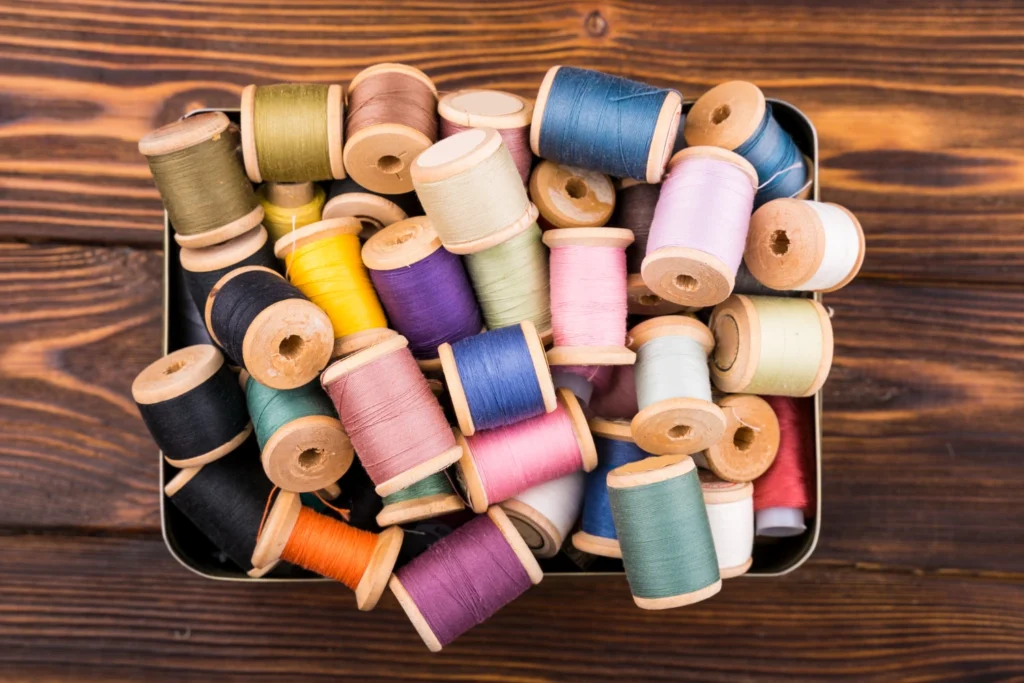
Take a close look at thread quality and you steer clear of issues like breakage and uneven stitches. You will also notice this matters in applique digitizing services where the main design may be fabric pieces but stitching still does the framing and rounds it all up nicely. The right threads hold everything in place!
4. Know Your Different Stitch Types
You will quickly realize that embroidery is more than just one kind of stitch. Different parts of a design require different stitching approaches to look their best. Learning about common stitch styles helps you decide how to tackle fills and outline design. You can make your stitch work last long if you go for the right stitch style for each element. Do this instead of picking the same method for the entire design and you’ll see amazing texture.
5. Work Efficiently Using Software Tools
It’s more than artwork you need to rely on when prepping the files. It’s really modern software that lets you adjust stitches and paths before the design reaches the machine. You can test spacing and direction plus sequence without the risk of wasting materials. For those who like to speed up the process will be happy to know that machine learning in embroidery is improving these tools. That is because it helps predict how stitches will ‘behave’ in the final results and make suggestions to improve any potential issues.
6. Opt for Smart Hooping Techniques
Hooping often gets overlooked by newbies who do not realize that this plays a huge role in the quality of the stitching. Don’t secure your fabric well and your design will end up shifting and creating costly errors when the time comes for stitching. A little time toward careful hooping and you will be able to keep the material stable and prevent puckering. Evenly stretched fabric lets stitches sit neatly on the surface and you can get the peace of mind of knowing that the final look will be sharper.
7. Match Designs with the Fabric
You might design something that looks perfect on screen. But most people who wonder how to improve embroidery design quality need to know that it all comes down to the fabric compatibility as textiles behave very differently under a needle.
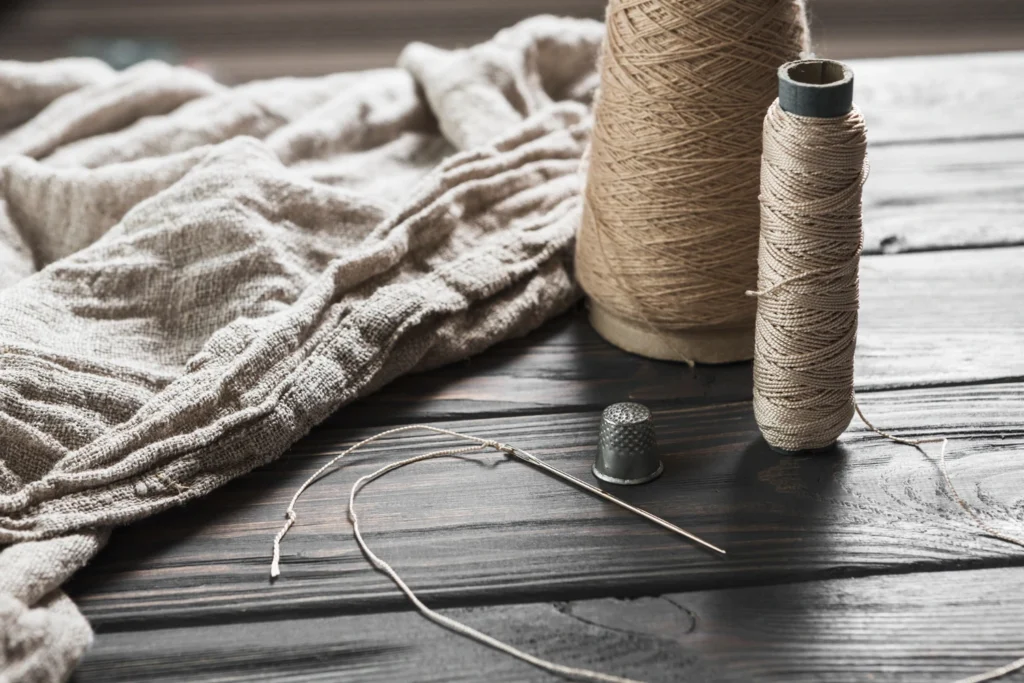
You will see that thick materials and delicate fabrics and stretchy garments all require some changes in the way you stitch on them. Matching your design to your fabric means that the stitches won’t stretch or pucker and the embroidery will hold its shape and detail you worked hard to achieve.
8. Get the Upper Hand on Density Control
Lots of stitches into one area can secure the color and boldness of the design, right?
In reality too much density in your design leads to awkward thread buildup and fabric distortion. You don’t want light density that leaves fabric visible either so make sure that your digitizers have the upper hand on stitch spacing. Most common stitch density issues in digitizing come from crowding and good planning for thread and fabrics lets the design to sit smooth on the surface.
9. Final Checks for Quality Assurance
Always take a moment to review the entire design before production begins and you will avoid the stress of turning back to previous stages. A simple quality check will let you know that stitches are aligned and the colors are correct along with a layout that looks balanced. When working with digitizers choose someone who does careful final checks as per your machine and delivers a polished result.
10. Don’t Forget About Test Stitching
You might think the design is ready once digitizing is complete but you can’t say you are one hundred percent sure unless you run a test piece. It will help you see how the design behaves on actual fabric. You will often spot small issues like spacing problems or uneven fills that are not obvious on screen and fixing those details early saves time and fabrics later.
Fool-Proof Way for Creating High-Quality Embroidery Designs
Flawless embroidery is tricky and there are countless factors that build up to the perfect stitchwork. For that you need superb embroidery digitizing and what better way to do that than going for the most talented digitizers. You need a supplier who understands your fabrics and machine type and pays heed to colors and threads to plan the directions and density that make the best use of what you have at hand.
Turn to Epcot Digitizing for Stitches that Exude Top Quality
Great embroidery results do not happen on a whim and you need a partner who can help you turn your awesome designs into appealing and long-lasting wearable form. We cater to both artists and brands and pay attention to creating high-quality embroidery designs. Get in touch with Epcot Digitizing today to submit your design and discuss your embroidery end-result needs and let us work our magic.